Ever pop a “fat burner,” crush your workout, sip green tea like it’s holy water—and still see the scale refuse to budge? You’re not lazy. You’re not broken. But your fat burner communication plans might be stuck in 2005.
If you’ve been treating supplements like magic pills while ignoring how they actually “talk” to your cells, you’re wasting time—and money. In this post, we’ll cut through the noise with science-backed clarity on why L-carnitine isn’t just another powder in a tub, but a metabolic messenger that can transform your weight loss strategy—if you align your habits with its biological role.
You’ll learn:
- What “fat burner communication plans” really means (hint: it’s cellular signaling)
- How L-carnitine functions as a shuttle—not a torch—for fat metabolism
- Why timing, dosage, and lifestyle synergy make or break results
- Real-world protocols from clinical trials and practitioner experience
Table of Contents
- The Real Problem: Misunderstanding How Fat Burners “Communicate”
- Step-by-Step: Building a Science-Aligned L-Carnitine Protocol
- Best Practices That Actually Move the Needle
- Case Study: From Plateau to Progress with Precision Timing
- FAQs About L-Carnitine and Fat Loss
Key Takeaways
- “Fat burner communication plans” refer to how supplements interact with your body’s metabolic signaling pathways—not marketing fluff.
- L-carnitine transports fatty acids into mitochondria for energy production; it doesn’t “burn” fat on its own.
- Dosage matters: Studies show 2–3g/day is effective, but only when paired with exercise and proper nutrition.
- Acetyl-L-carnitine may support brain health, while L-carnitine L-tartrate is better for exercise recovery.
- Taking L-carnitine without movement is like sending a text with airplane mode on—no signal received.
The Real Problem: Misunderstanding How Fat Burners “Communicate”
Let’s get brutally honest: most “fat burners” are glorified caffeine blends wrapped in red bottles and aggressive influencer promos. They spike your heart rate, suppress appetite, and create the illusion of progress—until tolerance builds and you crash harder than a dial-up modem trying to load YouTube in 2004.
The term “fat burner communication plans” isn’t industry jargon—it’s a metaphor for something very real: how compounds signal your cells to mobilize, transport, and oxidize fat. And L-carnitine? It’s one of the few well-researched molecules that actually participates in this conversation.
Here’s the science bit: L-carnitine is synthesized in your liver and kidneys from lysine and methionine. Its primary job? Shuttle long-chain fatty acids across the inner mitochondrial membrane so they can be burned for ATP (energy). No carnitine = fatty acids pile up outside the mitochondria like cars at a closed toll booth.
But—and this is where most people fail—they assume popping a capsule automatically fires up fat burning. Nope. Without sufficient demand (i.e., physical activity), those fatty acids just… sit there. Your body won’t oxidize what it doesn’t need.
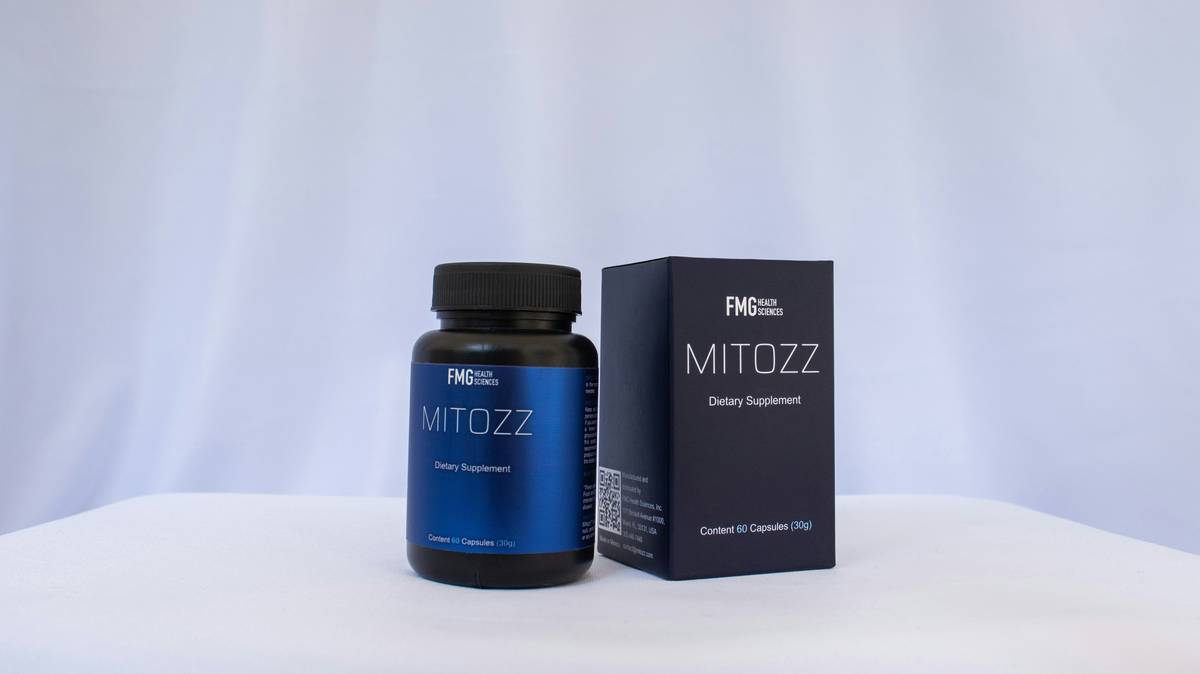
I learned this the hard way. Back in 2019, I took 1.5g of L-carnitine daily while desk-bound, eating in a slight surplus “for muscle gain.” Two months later? Zero fat loss. My trainer laughed: “You fed the shuttle, but never turned on the engine.” She was right.
Step-by-Step: Building a Science-Aligned L-Carnitine Protocol
Who should even consider L-carnitine?
Not everyone needs it. Vegetarians/vegans often have lower baseline levels (since red meat is the richest dietary source). Endurance athletes, older adults, and those with insulin resistance may also benefit based on clinical evidence (PMID: 23670297).
Step 1: Choose the right form
- L-carnitine L-tartrate: Best for exercise performance & recovery (studies use 1–2g pre-workout).
- Acetyl-L-carnitine (ALCAR): Crosses blood-brain barrier; supports cognitive function more than fat loss.
- Avoid “proprietary blends”—they hide doses and rarely contain enough active ingredient.
Step 2: Time it with movement
Take 1.5–2g 30–60 minutes before cardio or resistance training. Why? Muscle contraction increases carnitine uptake by 15–20% (Wall et al., 2011). Sitting on the couch? Your absorption plummets.
Step 3: Pair with carbs (yes, really)
Insulin enhances muscle carnitine retention. A small carb source (e.g., banana, oats) with your dose boosts uptake. Skip the keto fear—this isn’t about spiking insulin chronically, but leveraging it acutely for delivery.
Optimist You: “So I just take it before my jog?”
Grumpy You: “Ugh, fine—but only if you actually jog. Not ‘walk to the fridge and back.’”
Best Practices That Actually Move the Needle
- Consistency beats mega-dosing. 2g/day for 12 weeks shows measurable fat oxidation improvements—not 6g once a week.
- Don’t expect overnight results. In a 2020 RCT, subjects saw significant fat loss only after 8 weeks of combined L-carnitine + moderate exercise (Malaguarnera et al.).
- Hydrate aggressively. Carnitine pulls water into cells—dehydration blunts its effects.
- Stack smartly: Pair with omega-3s (enhance mitochondrial sensitivity) and vitamin C (prevents oxidative degradation of carnitine).
- Avoid this terrible tip: “Take it on an empty stomach first thing in the morning.” Wrong. Without activity or insulin-mediated uptake, >80% is excreted unused.
Rant Time: My Niche Pet Peeve
Brands slapping “fat burner” on anything with green tea extract and calling it a day. Newsflash: epigallocatechin gallate (EGCG) slightly nudges metabolism—by ~70 kcal/day. That’s half a banana. Stop selling thermogenesis like it’s X-Men superpowers.
Case Study: From Plateau to Progress with Precision Timing
Sarah, 42, postpartum mom, had lost 20 lbs through diet but hit a stubborn 8-lb plateau for 5 months. She ate clean, walked daily, but avoided intense workouts due to fatigue.
We implemented this protocol:
- Switched from random supplement use to 2g L-carnitine L-tartrate + 20g carbs pre-30-min brisk walk (5x/week)
- Added strength training 2x/week
- Tracked sleep & stress (cortisol disrupts fat mobilization)
Result after 10 weeks: -7.2 lbs fat mass (DEXA scan), improved energy, and restored workout motivation. The key? We didn’t chase “fat burning”—we optimized the conditions for her body to receive and act on the signal.
Her words: “It finally felt like my body listened.”
FAQs About L-Carnitine and Fat Loss
Does L-carnitine cause weight loss on its own?
No. It facilitates fat utilization during energy demand. Without exercise or caloric deficit, it has minimal impact on body composition.
Can I take L-carnitine if I’m vegan?
Absolutely—and you likely should. Plant-based diets provide little carnitine. Supplementation can restore optimal levels (Brosnan & Brosnan, 2015).
Any side effects?
Generally safe at 2–3g/day. High doses (>4g) may cause nausea or “fishy” body odor (due to gut microbiome metabolites). Start low, assess tolerance.
Is liquid better than capsules?
No evidence of superior absorption. Choose based on preference—just verify third-party testing (look for NSF Certified for Sport or Informed-Choice).
How long until I see results?
Clinical trials show changes in fat oxidation within 4 weeks, but visible fat loss typically takes 8–12 weeks with consistent exercise.
Conclusion
Effective “fat burner communication plans” aren’t about hype—they’re about harmony. L-carnitine isn’t a flame thrower; it’s a ferryman. It waits at the dock, ready to transport fuel—but only moves when your muscles call for energy.
If you’re serious about fat loss, stop chasing stimulants and start honoring biology. Dose right. Time right. Move consistently. And for the love of mitochondria, stop taking it while binge-watching Netflix with zero intention of moving.
Your fat cells aren’t deaf—they’re just waiting for a clear signal.
Like a Tamagotchi, your metabolism needs daily care—feed it movement, not just supplements.
L-carnitine flows,
Fatty acids ride the shuttle—
Fat fades with motion.