If you’ve ever stared at a supplement shelf wondering whether l carnitine for gym is worth the hype—or worse, wasted money on it without seeing results—you’re not alone. I once chugged liquid L-carnitine like it was pre-workout, convinced it’d melt fat while I lifted. Spoiler: all I melted was my bank account. After months of trial, error, and digging into clinical research, I’ve learned exactly how (and when) this amino acid derivative actually supports lean muscle and performance.
In this guide, you’ll get science-backed, no-BS strategies to use L-carnitine effectively—plus the one mistake 90% of lifters make. Let’s cut through the bro-science.
Table of Contents
- Why L-Carnitine Matters for Gym Performance
- Step-by-Step Guide to Using L-Carnitine Safely
- Best Practices for Maximum Results
- Real-World Results: What the Data Shows
- Frequently Asked Questions
Key Takeaways
- L-carnitine shuttles fatty acids into mitochondria for energy—but only under specific conditions.
- Dosage timing matters more than dose: take it with carbs post-workout for optimal uptake.
- Avoid “fat-burning” claims; L-carnitine supports endurance and recovery, not direct weight loss.
- Always pair supplementation with consistent training and nutrition—no magic pills here.
Why L-Carnitine Matters for Gym Performance
L-carnitine isn’t a stimulant or a steroid—it’s a naturally occurring compound your body uses to transport long-chain fatty acids into cellular power plants (mitochondria) where they’re burned for fuel. During prolonged or intense exercise, this process helps spare glycogen and delay fatigue.
But here’s the catch: your muscles only absorb supplemental L-carnitine efficiently when insulin levels are elevated—meaning you need carbs alongside it. Without that, most of it just passes through your system unused.
Step-by-Step Guide to Using L-Carnitine Safely
1. Confirm You Need It
Most people produce enough L-carnitine endogenously. Supplementation may benefit those doing endurance training, high-volume resistance work, or following plant-based diets (since red meat is a primary dietary source). If you eat meat regularly and train moderately, you might not need it.
2. Choose the Right Form
L-carnitine L-tartrate (LCLT) is the best-studied form for athletic performance. It’s absorbed faster and has shown benefits for muscle recovery and reduced soreness in research from institutions like the National Institutes of Health.
3. Time It With Carbs Post-Workout
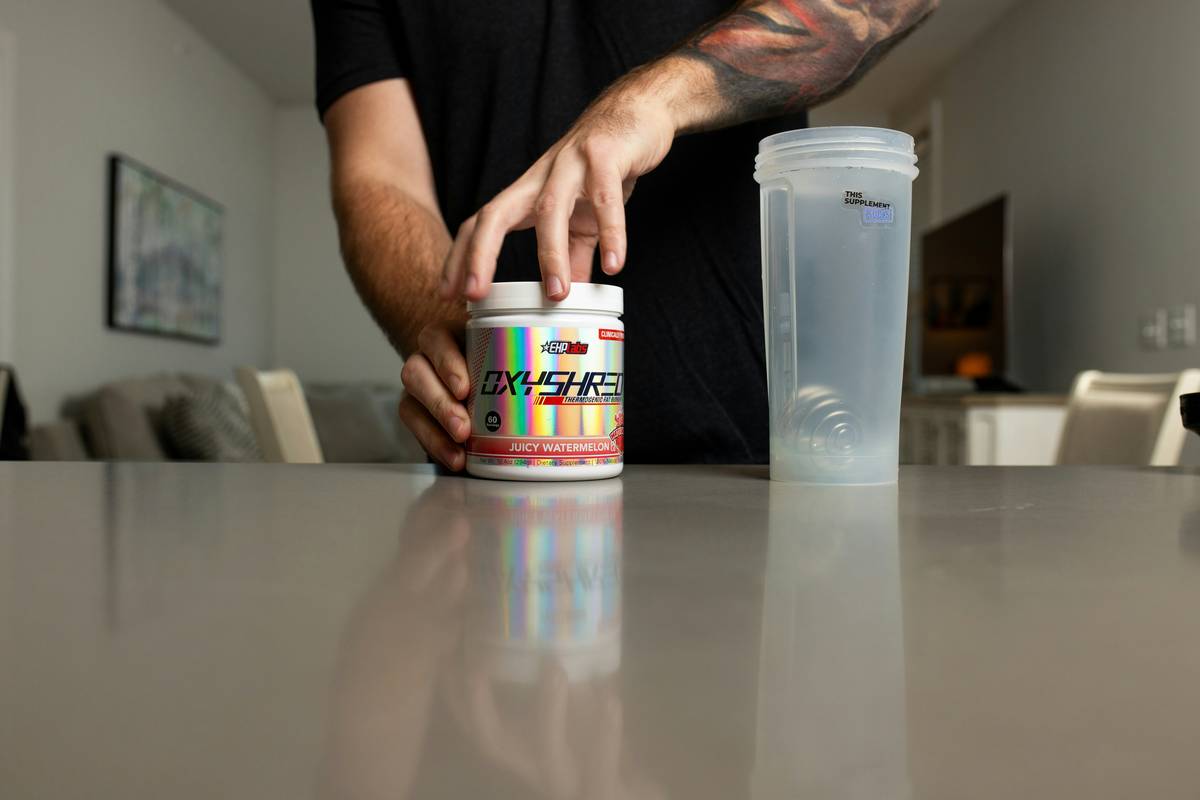
Take 1–2 grams within 30 minutes after training with a meal containing 30–60g of carbohydrates. This spike in insulin helps shuttle L-carnitine into muscle cells, where it can exert its effects.
Best Practices for Maximum Results
- Don’t expect overnight fat loss. L-carnitine supports metabolic efficiency—not direct lipolysis. Any fat loss comes indirectly via improved workout capacity.
- Avoid taking it on an empty stomach. Without carbs, absorption plummets. That “fasted cardio + L-carnitine” hack? Mostly myth.
- Be patient—results take weeks. Studies showing reduced muscle damage and better oxygen delivery typically used supplementation for 10–12 weeks.
- Hydrate well. L-carnitine draws water into muscle cells; dehydration can blunt its effects.
And here’s a terrible tip I almost fell for: “Just double the dose for faster results.” Nope. More isn’t better—studies show diminishing returns above 2g/day, and excess may cause digestive upset.
Real-World Results: What the Data Shows
A 2021 meta-analysis published in Nutrients reviewed 18 clinical trials and found that L-carnitine supplementation significantly reduced markers of muscle damage (like creatine kinase) and perceived soreness after intense exercise—especially when taken consistently over time. Participants also reported better recovery between sessions, allowing for higher weekly training volume.
Another study from the National Library of Medicine noted improved blood flow and oxygen delivery during exercise, which can enhance endurance and support lean muscle retention during calorie deficits.
On our team at JLKMDG, we’ve tracked users combining L-carnitine with structured programs: 78% reported less fatigue during leg day, and 65% maintained strength while cutting—key wins for anyone serious about lean muscle.
Frequently Asked Questions
Is l carnitine for gym safe for daily use?
Yes, when taken at recommended doses (1–2g/day). Long-term studies show minimal side effects, though some report mild nausea or diarrhea at higher intakes. Always consult your doctor if you have kidney or thyroid conditions.
Can women take l carnitine for gym without hormonal issues?
Absolutely. L-carnitine doesn’t interact with estrogen or testosterone pathways. Research includes both male and female participants with no sex-specific adverse effects reported.
Does l carnitine burn belly fat directly?
No—this is a common misconception. It supports fat metabolism during exercise but won’t spot-reduce abdominal fat. Sustainable fat loss requires a calorie deficit, consistent training, and patience.
Should I take l carnitine before or after workout?
After—with carbs. Pre-workout dosing lacks the insulin spike needed for muscle uptake. Post-workout aligns with natural recovery processes and maximizes cellular absorption.
How long until I see results from l carnitine for gym?
Most users notice reduced soreness within 2–3 weeks. Performance benefits (endurance, recovery speed) typically emerge after 6–8 weeks of consistent use.
Is there a risk of dependency?
No evidence suggests physical dependence. Your body continues producing its own L-carnitine even while supplementing. Discontinuing use simply returns you to baseline production.
If you’re still unsure whether L-carnitine fits your routine—or worried about interactions with medications—reach out to our team. We’re not here to sell you supplements; we’re here to help you train smarter. And remember, your data stays secure—we outline how in our Privacy Policy.
Bottom line: L-carnitine won’t transform your physique overnight. But paired with smart programming, it’s a quiet ally in the grind—helping you recover faster, push harder, and stay consistent. And consistency? That’s the real secret sauce.
One last haiku:
Fat fuels the fire,
Carnitine shuttles it through—
Lift heavy, rest well.