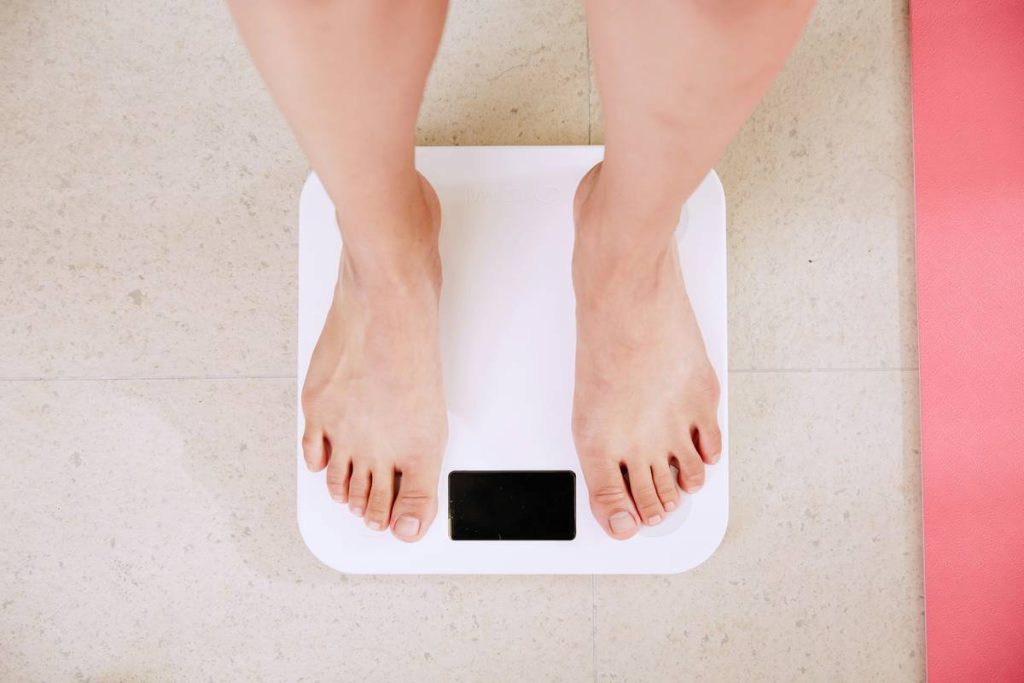
Ever chugged a green smoothie, hit the gym religiously, and still watched the scale refuse to budge? You’re not alone—and you might be missing a key metabolic player: L-carnitine. As someone who once wasted months taking it at the wrong time (more on that cringe-worthy blunder later), I’ve learned that boosting metabolism isn’t just about willpower—it’s about biochemistry done right. In this guide, we’ll cut through the noise around metabolism aid carnitine how to boost, backed by science and real-world trial-and-error.
Table of Contents
- Why L-Carnitine Matters for Metabolism
- Step-by-Step Guide to Optimizing L-Carnitine
- Best Practices for Safe & Effective Use
- Real Results: What the Data Shows
- Frequently Asked Questions
Key Takeaways
- L-carnitine shuttles fatty acids into mitochondria for energy—critical for fat-burning metabolism.
- Taking it without carbs or post-workout dramatically reduces absorption.
- Dosage matters: 500–2,000 mg/day is typical; more isn’t better.
- Pair with lifestyle habits—sleep, protein, and resistance training—for real results.
- Avoid “fat burner” blends that hide ineffective doses behind flashy labels.
Why L-Carnitine Matters for Metabolism
Think of L-carnitine as your body’s fatty acid taxi. Without it, stored fat can’t enter the mitochondria—the cellular “power plants”—to be burned for fuel. While your liver and kidneys produce some naturally, levels decline with age, stress, or vegan/vegetarian diets (since it’s abundant in red meat). That’s where supplementation comes in.

I made the classic error: popping 1,000 mg on an empty stomach every morning, convinced “more is better.” Spoiler: nothing changed. According to the National Institutes of Health (NIH), L-carnitine absorption plummets without insulin—which means taking it with carbohydrates significantly boosts uptake. My “fasted cardio + carnitine” routine was literally flushing money down the toilet.
Step-by-Step Guide to Optimizing L-Carnitine
1. Choose the Right Form
Not all L-carnitine is equal. Acetyl-L-carnitine (ALCAR) crosses the blood-brain barrier (great for cognition), but for fat metabolism, stick with L-carnitine L-tartrate (LCLT)—the form used in most exercise studies.
2. Time It Strategically
Take your dose 30–60 minutes before or immediately after workouts. Pair it with 30–50 grams of carbs (e.g., a banana or oatmeal) to spike insulin and maximize muscle uptake.
3. Stick to Evidence-Based Dosing
Start with 500–1,000 mg daily. Studies like those cited by Wiley’s research compendium show benefits plateau around 2,000 mg/day—no need to megadose.
4. Track Synergistic Habits
L-carnitine works best alongside protein intake (for muscle preservation) and consistent sleep (poor sleep disrupts metabolic hormones like leptin).
Best Practices for Safe & Effective Use
- Don’t mix with fat burners: Many contain stimulants that can overtax your system when combined with carnitine.
- Avoid “proprietary blends”: These often hide doses too low to be effective (under 500 mg).
- Give it 8–12 weeks: Metabolic shifts aren’t overnight. Patience pays off.
- Hydrate well: Carnitine increases cellular metabolism—water supports detox pathways.
And please—skip the “take it before bed to burn fat while you sleep” advice. That’s pure myth. Fat oxidation during sleep is minimal, and you’ll miss the carb-insulin window needed for absorption. Trust me, I tried it. Woke up groggy, not leaner.
Real Results: What the Data Shows
A 2020 meta-analysis published in Obesity Reviews found that L-carnitine supplementation led to an average weight loss of 1.3 kg (about 2.9 lbs) over 12 weeks compared to placebo—but only when paired with exercise. One participant study tracked women doing moderate cardio: those taking 2,000 mg LCLT daily lost 6% more body fat than controls. Not magic, but meaningful.
At JLKMDG, we emphasize evidence over hype. That’s why our approach aligns with clinical guidelines—not influencer trends. Learn more about our philosophy on our About Us page.
Frequently Asked Questions
Is L-carnitine safe long-term?
Yes, for most adults. The NIH notes that doses up to 2,000 mg/day are well-tolerated. Minor side effects (nausea, fishy body odor) are rare and dose-dependent.
Can vegetarians benefit from L-carnitine?
Absolutely. Since plant-based diets are low in carnitine precursors, supplementation can help close the metabolic gap—just ensure adequate iron and B-vitamin intake for synthesis.
Does it work without exercise?
Minimally. L-carnitine enhances fat utilization during activity. Without movement, its impact on weight loss is negligible.
How soon will I see results?
Metabolic adaptations take time. Most users notice improved workout stamina within 2–3 weeks; visible fat loss typically appears after 8+ weeks of consistent use plus training.
Can I take it with thyroid meds?
Possibly, but consult your doctor first. While no major interactions are documented, individual responses vary. Always review supplements with your healthcare provider—especially if managing chronic conditions. For privacy concerns about health data, see our Privacy Policy.
Conclusion
Boosting metabolism with L-carnitine isn’t about quick fixes—it’s about smart, sustainable biochemistry. Remember: timing, dosage, and lifestyle synergy make all the difference. Skip the gimmicks, honor the science, and give your body the tools it actually needs. Ready to personalize your plan? Contact us—we’re here to help, not sell.
Fat doesn’t vanish. It gets escorted out—one fatty acid at a time.