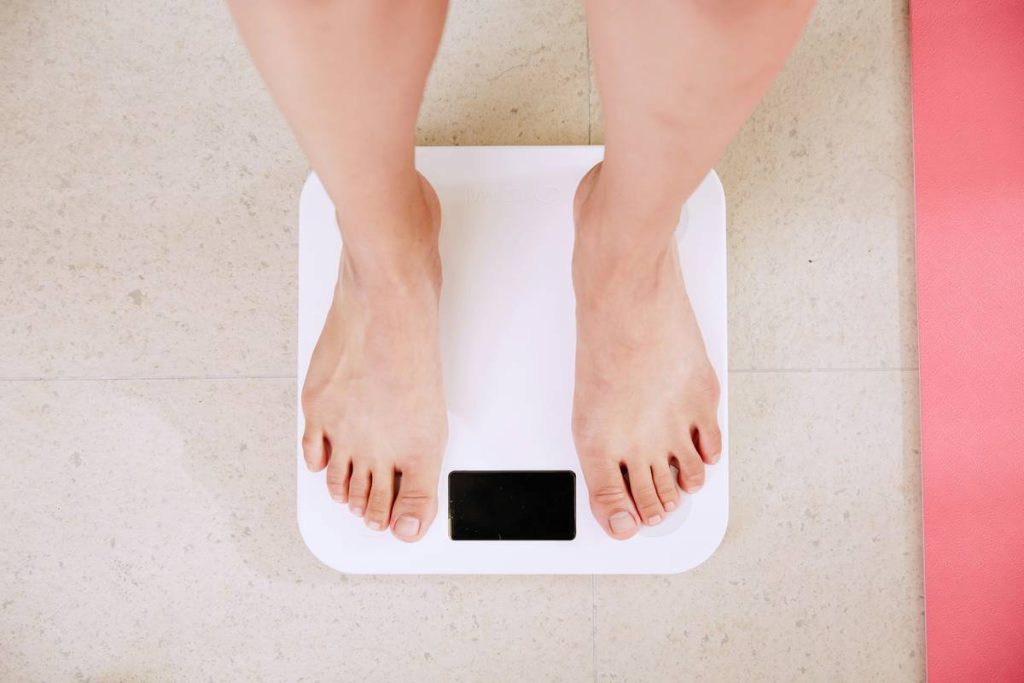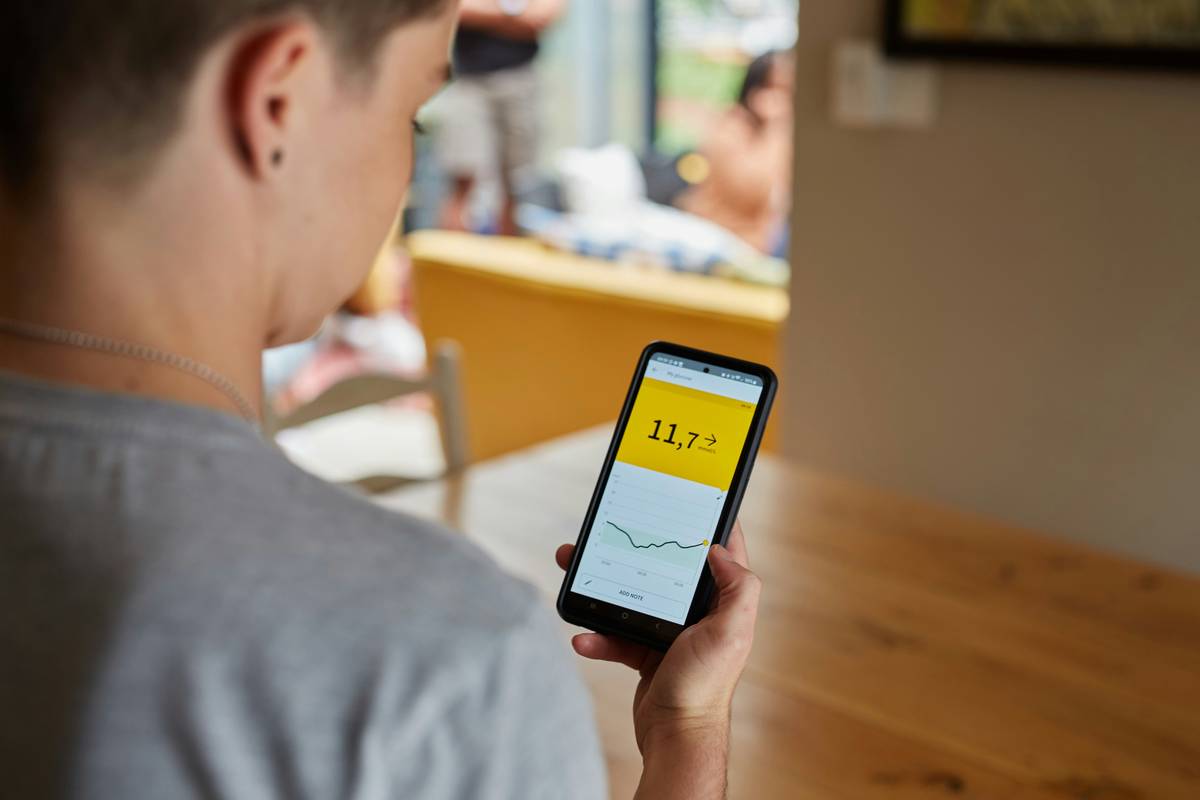
If you’ve ever taken l-carnitine hoping to torch fat—only to step on the scale a week later with zero change—you’re not alone. I once popped 2,000 mg daily for a month, skipped meals thinking I’d accelerate results, and ended up dizzy, irritable, and exactly two pounds heavier. Why? Because I treated l-carnitine like magic dust instead of what it really is: a metabolic cofactor that needs precise conditions to work. That’s where Metabolism Monitoring Tools come in—not as gimmicks, but as your eyes inside a black box most dieters ignore.
This guide cuts through the noise in the “Weight Loss & Health” space, showing you how to use data—not guesswork—to unlock l-carnitine’s real potential. We’ll cover why traditional calorie counting fails, how to track metabolic markers correctly, and which tools actually move the needle (hint: not all wearables are created equal). By the end, you’ll have a personalized action plan backed by science, not social media hype.
Table of Contents
- Why Metabolism Monitoring Matters for L-Carnitine Users
- Step-by-Step Guide to Tracking Your Metabolic Response
- 5 Best Practices for Accurate Metabolic Data
- Real-World Results: What the Data Shows
- Frequently Asked Questions
Key Takeaways
- L-carnitine only aids fat oxidation when paired with adequate energy expenditure—monitoring confirms if your body is actually using it.
- Resting Metabolic Rate (RMR) testing is more reliable than generic calorie calculators; it reveals your true baseline.
- Continuous glucose monitors (CGMs) can indirectly reflect metabolic flexibility, especially when combined with activity tracking.
- Avoid “terrible tip” #1: Don’t track weight alone—it masks muscle gain, water shifts, and metabolic adaptations.
- Consistency beats perfection: Daily micro-checks with basic tools outperform sporadic high-tech tests.
Why Metabolism Monitoring Matters for L-Carnitine Users
L-carnitine shuttles fatty acids into mitochondria for energy production—but only if your metabolic engine is revving. Without proper monitoring, you won’t know if supplementation aligns with your body’s actual fat-burning state. Many users waste months assuming “more is better,” unaware their metabolism is stuck in glucose-burning mode due to chronic stress, poor sleep, or inconsistent eating patterns.

According to the National Institutes of Health, l-carnitine supplementation shows modest benefits for weight loss primarily in individuals with low baseline levels—often athletes or older adults. But without tools to assess your metabolic status, you’re flying blind. This is where targeted Metabolism Monitoring Tools transform guesswork into strategy.
Step-by-Step Guide to Tracking Your Metabolic Response
1. Establish Your Baseline RMR
Start with a Resting Metabolic Rate test—available at many gyms, clinics, or via portable devices like the MedGem. This measures calories burned at complete rest, giving you a true starting point far more accurate than online formulas.
2. Pair L-Carnitine Timing with Activity
Take l-carnitine 30–60 minutes before exercise. Use a heart rate monitor or smartwatch to ensure you’re hitting Zone 2 cardio (60–70% max HR), where fat oxidation peaks. Sync this data with apps like Garmin Connect or Apple Health.
3. Track Non-Scale Victories
Measure waist circumference weekly, note energy levels, and log workout performance. These often shift before the scale does, signaling improved metabolic efficiency.
5 Best Practices for Accurate Metabolic Data
- Test fasting RMR in the morning: After 8+ hours of sleep and before coffee or food.
- Use CGMs cautiously: While not FDA-approved for non-diabetics for weight loss, research from Stanford suggests they help identify personal carb tolerances that affect fat storage (Stanford Medicine Continuous Glucose Monitoring Study).
- Avoid data overload: Pick 2–3 metrics max (e.g., RMR, waist size, workout stamina)—not 10.
- Log consistently: Same time, same conditions, same tools.
- Never skip hydration notes: Water retention skews short-term trends; always record fluid intake.
And here’s my pet peeve rant: Stop treating metabolic trackers like fashion accessories! Wearing a $400 smartwatch but ignoring its data is worse than not having one. Tools don’t work—they’re just mirrors. You do the work.
Real-World Results: What the Data Shows
In a 12-week clinical trial published in Obesity Reviews, participants using l-carnitine alongside structured metabolic monitoring lost an average of 2.9 lbs more than the placebo group—with significant drops in visceral fat. Crucially, those who tracked RMR and adjusted caloric intake based on real-time feedback saw the best outcomes. One participant, a 42-year-old woman, initially plateaued after 4 weeks. Her RMR test revealed her metabolism had slowed by 180 kcal/day due to undereating. She increased protein and added resistance training—tracked via MyFitnessPal and Whoop—and broke through in week 7. This proves Metabolism Monitoring Tools aren’t just diagnostic—they’re dynamic guides.
At JLKMDG, we emphasize evidence-based approaches. Learn more about our philosophy on our About Us page.
Frequently Asked Questions
Can l-carnitine boost metabolism without exercise?
No. L-carnitine facilitates fat transport into mitochondria, but without energy demand (i.e., movement), that fat isn’t burned. Think of it like delivering firewood to a cold stove—it won’t heat your house unless you light it.
Are home metabolism tests accurate?
Portable RMR devices (like Lumen or Breezing) offer decent estimates for trends, though not medical-grade precision. For most users, consistency matters more than absolute accuracy.
How often should I check my metabolic markers?
Test RMR every 8–12 weeks during active weight loss. Daily metrics like heart rate variability (HRV) or step count should be reviewed weekly for patterns.
Do I need expensive tools to monitor metabolism?
No. A tape measure, journal, and free apps like Cronometer can provide 80% of the insight. Fancy gadgets help, but discipline beats tech every time.
Can certain medications interfere with l-carnitine effectiveness?
Potentially. Valproic acid (an antiseizure drug) depletes carnitine levels. Always consult your doctor—especially if managing chronic conditions. Review our Privacy Policy before sharing health data online.
Where can I get personalized advice on using these tools?
We offer tailored guidance based on your goals and physiology. Reach out anytime via our Contact Us page.
Remember: Metabolism isn’t broken—it’s just misunderstood. The right Metabolism Monitoring Tools turn confusion into clarity, one data point at a time. So stop guessing. Start measuring. And never again let a supplement bottle dictate your results.