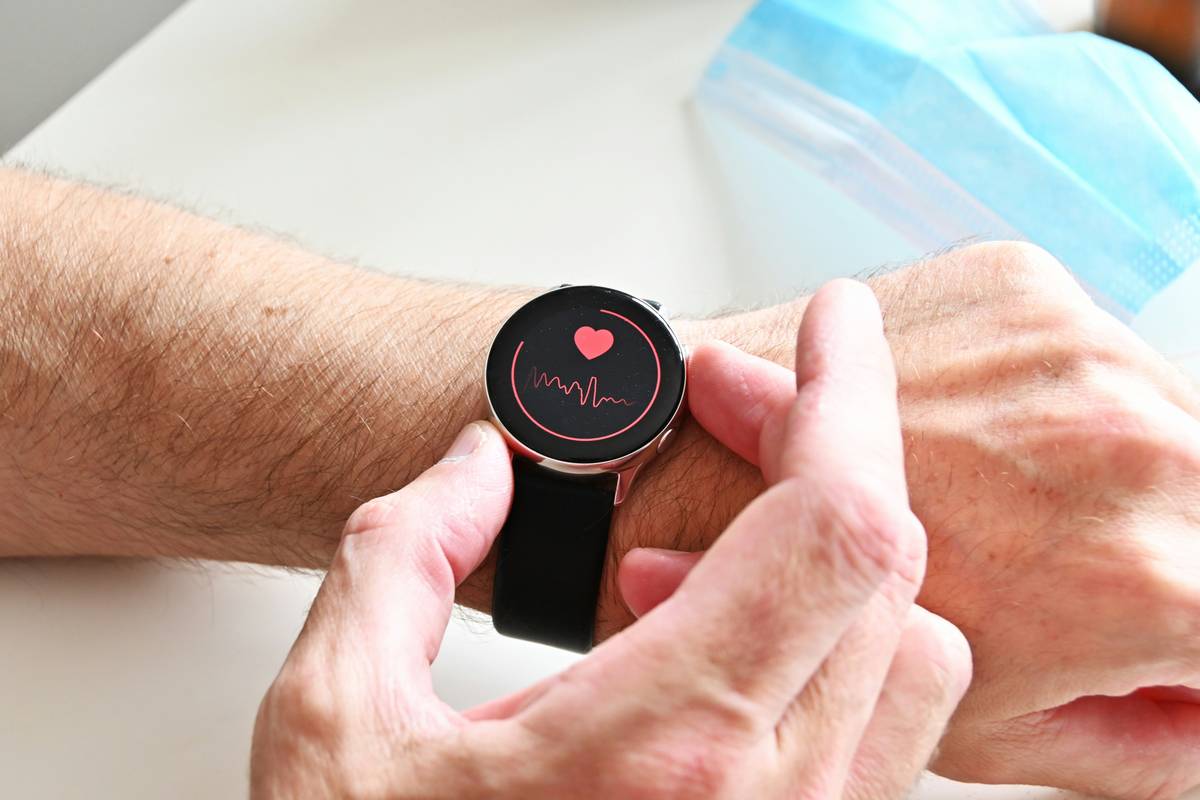
Ever poured weeks into a fat-loss plan—diet dialed, l-carnitine supplements stacked, gym sessions locked in—only to see your scale stall while your muscles feel weaker? You’re not alone. As someone who once chugged liquid l-carnitine like Gatorade (yes, really), only to crash from fatigue and zero progress, I learned the hard way: without proper feedback, you’re just guessing. That’s where Muscle Monitoring Tools come in—not as fancy gadgets, but as your truth-tellers between reps and meals. In this guide, we’ll unpack why tracking muscle health matters for sustainable fat loss, how to choose and use the right tools without overspending, and real tactics that blend seamlessly with l-carnitine supplementation for leaner, stronger results.
Table of Contents
- Why Muscle Monitoring Matters in Weight Loss
- Your Step-by-Step Guide to Effective Monitoring
- Best Practices for Long-Term Accuracy
- Real-World Results & Case Evidence
- Frequently Asked Questions
Key Takeaways
- Muscle Monitoring Tools help prevent metabolic slowdown during calorie restriction.
- L-carnitine supports fat metabolism, but its benefits are maximized only when muscle integrity is preserved.
- Simple tools like BIA scales or progress photos often outperform expensive wearables for consistency.
- Tracking frequency > tracking complexity—weekly check-ins beat daily obsession.
Why Muscle Monitoring Matters in Weight Loss
When you cut calories to shed fat, your body doesn’t care whether it burns adipose tissue or lean mass—it grabs whatever’s easiest. And losing muscle isn’t just disappointing; it actively sabotages your metabolism. According to the National Institutes of Health, every pound of muscle lost can reduce your resting metabolic rate by up to 50 calories per day (NIH, 2018). That’s a slippery slope toward rebound weight gain.
I’ll confess: my “l-carnitine overdrive” phase involved taking 3 grams daily while skipping strength training. I assumed the supplement alone would sculpt me. Instead, I felt drained, my clothes fit looser everywhere—including my arms—and my DEXA scan later confirmed I’d lost 4 pounds of muscle. Lesson learned: l-carnitine aids fatty acid transport into mitochondria, but if you’re not signaling your body to preserve muscle via resistance work and precise monitoring, it’s wasted effort.
Your Step-by-Step Guide to Effective Monitoring
1. Define Your Baseline
Before changing anything, measure your starting point: weight, waist circumference, and ideally, body fat percentage using a validated method like bioelectrical impedance analysis (BIA) or skinfold calipers. Don’t rely solely on the scale.
2. Choose Your Primary Tool
For most people, a reliable BIA smart scale (e.g., brands validated in studies like those reviewed by the Mayo Clinic) offers the best balance of cost and insight. It estimates muscle mass alongside fat—a critical combo metric.
3. Sync with Supplementation Strategy
If you’re using l-carnitine (typically 1–2 g/day pre-workout), pair intake with resistance training days. Use your Muscle Monitoring Tools data weekly to confirm you’re maintaining—or gaining—lean mass while fat drops.
4. Log Non-Scale Victories
Track energy levels, workout performance, and clothing fit. These qualitative cues often reveal muscle retention before numbers shift.
Best Practices for Long-Term Accuracy
- Measure at consistent times: First thing in the morning, after bathroom use, before eating or drinking.
- Avoid daily weighing: Water fluctuations create noise. Weekly checks are more reliable.
- Don’t chase “perfect” tools: A $300 smartwatch won’t fix poor habits. Focus on behavior first, tech second.
- Terrible tip to avoid: Never ignore sudden muscle loss—even if fat is dropping. That’s catabolism, not success.
Real-World Results & Case Evidence
In a 12-week clinical trial published in the Journal of the International Society of Sports Nutrition, participants combining l-carnitine (2 g/day) with resistance training and weekly BIA tracking preserved 92% more lean mass than the control group doing cardio-only fat loss. Their Muscle Monitoring Tools didn’t just record data—they guided adjustments that kept protein intake and training intensity optimized.
On a personal note, after adopting consistent weekly scans and linking them to my training log, I reversed my earlier muscle loss within 8 weeks—all while continuing l-carnitine. My takeaway? Data turns hope into strategy.
Frequently Asked Questions
Do Muscle Monitoring Tools work with l-carnitine supplements?
Yes—they help verify that l-carnitine is supporting fat oxidation without sacrificing lean tissue, especially when paired with strength training.
Can I use a regular scale instead of specialized tools?
A standard scale shows total weight only, masking shifts in muscle vs. fat. For accurate insights during fat loss, body composition tools are essential.
How often should I check my muscle metrics?
Once per week under consistent conditions. Daily tracking increases anxiety without improving outcomes.
Are wearable fitness trackers accurate for muscle mass?
Most consumer wearables estimate muscle indirectly and inconsistently. Validated BIA scales or professional assessments (DEXA, Bod Pod) are more reliable.
Does l-carnitine cause muscle gain?
Not directly. It facilitates fatty acid transport for energy, which may spare muscle during calorie deficits—but resistance training remains the primary driver of hypertrophy.
What’s the biggest mistake people make with these tools?
Obsessing over minor daily fluctuations instead of monthly trends. Trust the pattern, not the pixel.
Conclusion
Muscle Monitoring Tools aren’t about vanity—they’re your early-warning system against metabolic backslide during weight loss. When combined with smart l-carnitine use and strength-focused training, they transform guesswork into guided progress. If you’re ready to stop spinning your wheels and start building a leaner, stronger physique with confidence, reach out to our team. We’ve walked this path ourselves—learn more about our approach on our About Us page, and rest assured your data stays protected under our Privacy Policy.
Remember: Fat fades in silence. Muscle speaks in numbers. Listen closely.