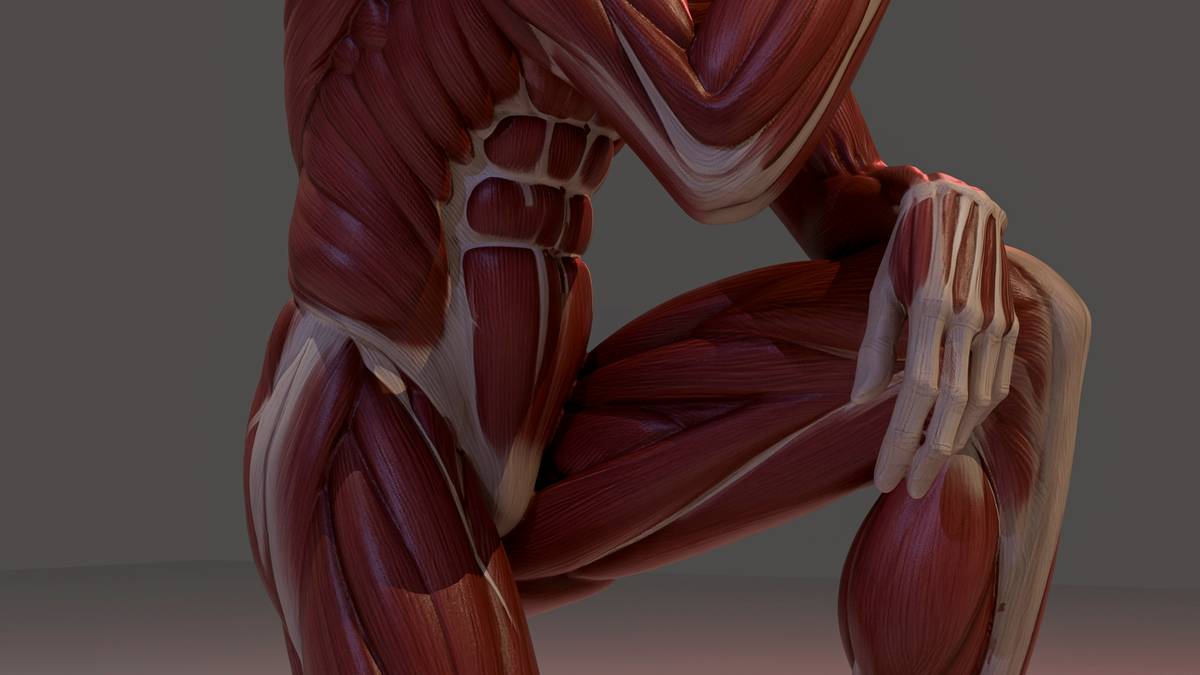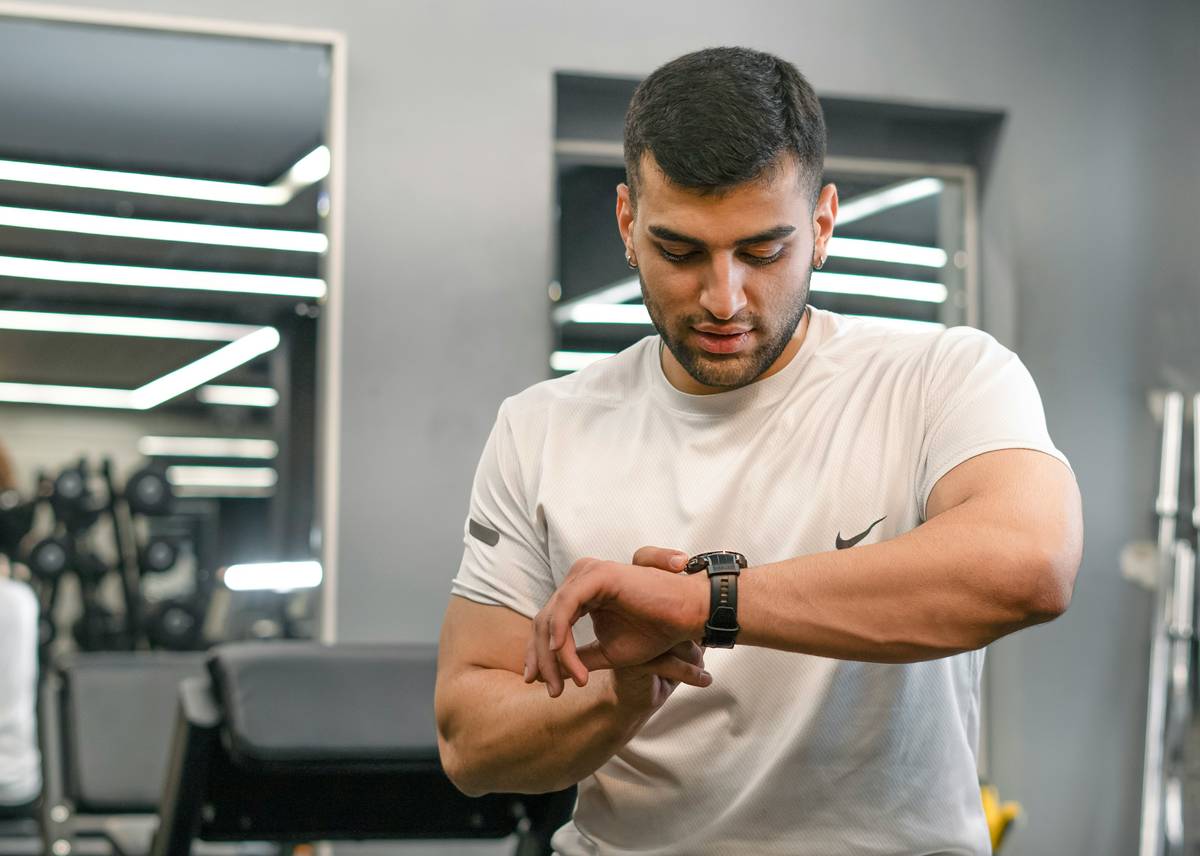
You’re eating clean. Hitting the gym 5x a week. Taking l-carnitine like clockwork. Yet your body fat stalls—and worse, you feel weaker. The problem isn’t effort. It’s invisibility. Standard weight loss tracking ignores Muscle Risk Assessments—and that blind spot burns lean tissue while you chase scale numbers.
Why Traditional Fat-Loss Metrics Fail Muscle Retention
Most programs obsess over calories in vs. out. Simple? Yes. Accurate for preserving muscle? No. When you cut aggressively without assessing muscle vulnerability, you trigger catabolism—your body eats its own lean mass for fuel. Especially if you’re over 35, sedentary between workouts, or misdosing supplements like l-carnitine.
And here’s what no one tells you: l-carnitine isn’t just a fat burner. Used wrong, it can accelerate muscle breakdown during fasted training. The math is simple—if your protocol ignores individualized muscle risk, you’re optimizing for shrinkage, not definition.
How to Conduct a Practical Muscle Risk Assessment (Step-by-Step)
Forget DEXA scans costing $200+. Real-world muscle risk hinges on three actionable levers you can track today.
1. Resting Heart Rate Variability (HRV) Trends
Drop in morning HRV + unchanged workout performance? That’s early-stage muscle stress. Not fatigue—catabolic signaling. Track it 3x/week with any wearable.
2. Protein Timing Relative to l-Carnitine Intake
Taking l-carnitine on an empty stomach before cardio? Risk spikes if protein hasn’t been consumed in the prior 4 hours. Carnitine shuttles fats—but without amino acid buffer, it may shuttle muscle fragments too.
3. Grip Strength as a Proxy Metric
Yes, really. A 5% dip in consistent grip strength over 2 weeks predicts systemic lean loss before the scale moves. Cheap dynamometer = early warning system.
| Risk Indicator | Low Risk Threshold | High Risk Threshold | Action Required |
|---|---|---|---|
| Morning HRV | >65 ms (consistent) | <55 ms (2+ days) | Add intra-workout BCAAs; pause fasted cardio |
| Pre-Workout Protein Gap | <3 hours since last protein | >4 hours fasting + l-carnitine | Consume 15g whey before carnitine dose |
| Grip Strength (lbs) | Within 2% of baseline | >5% decline over 14 days | Reduce deficit by 200 kcal; increase leucine intake |
The Industry Secret: Muscle Risk Isn’t About Age—It’s About Metabolic Flexibility
Clinics bill thousands for “muscle preservation plans.” But the real differentiator? Your cells’ ability to switch cleanly between fuel sources. Poor metabolic flexibility = higher muscle risk during calorie deficits—even in your 20s. And l-carnitine? It only helps if your mitochondria are primed to use it. Otherwise, it’s just another stressor. Start with a 7-day carb cycling protocol before layering in carnitine. Your muscle fibers will thank you.
Frequently Asked Questions
Can Muscle Risk Assessments prevent weight loss plateaus?
Yes. By catching lean loss early, you adjust calories and protein before metabolism downshifts—keeping fat loss linear and sustainable.
Is l-carnitine safe for long-term muscle retention?
Only with proper timing and protein co-ingestion. Alone in a deficit, it may increase muscle oxidation. Pair it with 20–30g protein per dose.
How often should I run a Muscle Risk Assessment?
Bi-weekly during active fat loss phases. Monthly during maintenance. Use HRV + grip strength—they’re cheaper and faster than lab tests.